
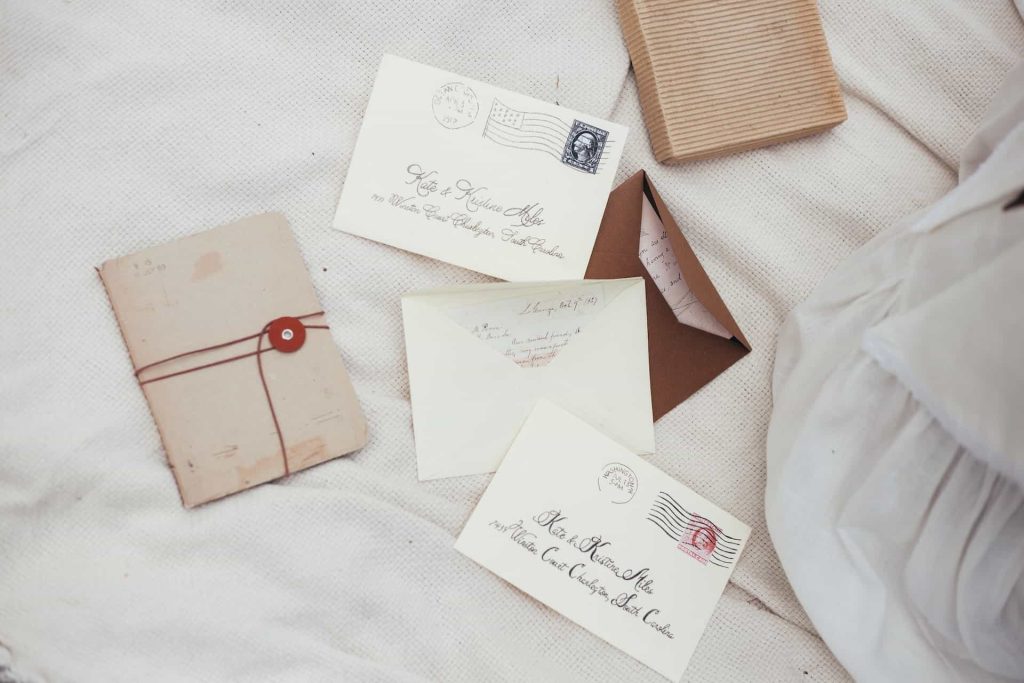
Why handwritten letters and pen pals are quietly returning
In a world of instant messages and emails, something surprising is happening. Many people are rediscovering the pleasure of letter writing. Handwritten letters, fountain pens and traditional pen pals are quietly returning. At www.letterinthepost.com, the aim is simple: to celebrate the small but meaningful ritual of sending real letters through the post.
There is a peculiar satisfaction in holding a handwritten letter. The paper bears texture under the fingers, the ink carries the rhythm of thought, and the faint imperfections of a flourish hint at the hand behind it. Unlike digital messages, letters insist on deliberation. They ask the writer—and, in turn, the reader—to pause, consider, and linger.
Recently, a young friend confided that she had begun writing letters. Not emails, she clarified, but actual handwritten letters, complete with envelopes, stamps, and the small ceremonials that accompany them. Watching her hesitate over the placement of the stamp was a reminder that what feels quaint is, in fact, enduring. A letter, after all, is more than communication; it is an exercise in patience, attention, and, occasionally, delight.
Letters are small performances. One assembles stationery with care, selects a pen, and considers the words. A fountain pen encourages reflection: its ink flows steadily, reminding the writer that thought and expression travel at the same pace. Occasionally it leaks, leaving subtle evidence of effort. These imperfections are not mistakes; they are proof that something tangible has been made.
Handwriting carries nuance that digital text cannot replicate. One glance at a letter can reveal decisiveness, thoughtfulness, or a quiet flourish of personality. Handwritten correspondence becomes a miniature portrait of the writer. Letters endure in drawers and biscuit tins, silently recording friendships, disagreements, flirtations and apologies—small traces of human life that will outlast many fleeting digital messages.
The envelope itself adds dignity. A neatly written address and a carefully chosen stamp convey intention and effort. Unlike email, letters cannot be sent accidentally or lost among dozens of notifications. They demand patience from both sender and receiver. Days, even weeks, may pass before a reply appears, and that interval is part of the charm.
This patience is rare today. Modern messaging systems equate immediacy with importance, yet most matters benefit from delay. Letter writing naturally encourages reflection, allowing thoughts to settle and meaning to ripen. In practising correspondence, one rediscovers rhythms that once marked a slower, more deliberate world.
The pleasures of handwritten letters are subtle but profound. Digressions wander across the page. A postscript can carry the most interesting detail. Gossip may be tucked discreetly at the bottom. Such small conventions, once ordinary, now feel like quiet luxuries.
Unsurprisingly, many people are rediscovering the joy of writing to pen pals. Projects dedicated to reviving traditional correspondence have begun to appear online. One such initiative is www.letterinthepost.com, which encourages people to reconnect through real letters rather than digital messages.
The revival of letter writing has not gone unnoticed. Fountain pens are selling again, stationery shops report renewed interest, and new correspondents discover the delight of hearing something fall through the letterbox that is neither a bill nor a parcel.
Those who have maintained the practice for decades understand that letter writing is as much ritual as communication. Their desks—often placed near a window for light, with ink bottles, stamps and proper paper—remind us that materials matter. Cream paper, a well-balanced pen, envelopes of substance: these small choices elevate the act of writing.
Even minor mishaps—smudges, ink stains, slightly crooked lines—signal engagement. They demonstrate patience and care. In a culture of instant and disposable communication, these small imperfections are proof of deliberate attention.
And letters endure. A century from now historians will not pore over archived text messages, but they will still open boxes of correspondence tied with ribbon. Letters preserve personality, capture memory and record the small details of ordinary life.
Ultimately, the letter teaches qualities easily lost in modern life: attentiveness, reflection, patience and presence. The digital world may offer speed and convenience, but handwritten letters remain tangible, thoughtful and deeply human.
Through projects such as www.letterinthepost.com, the ancient pleasure of sending and receiving real letters continues to find new life. The letter, once thought obsolete, is quietly returning—not as a novelty, but as a tradition waiting patiently to be rediscovered.


